HACCP Monitoring Record Templates: A Comprehensive Guide to Ensuring Food Safety
HACCP monitoring record templates are essential tools for food businesses to ensure compliance with food safety regulations and maintain a robust food safety management system. By understanding the principles of HACCP and implementing effective monitoring record templates, food businesses can reduce the risk of foodborne illnesses and maintain customer trust.

Introduction to HACCP
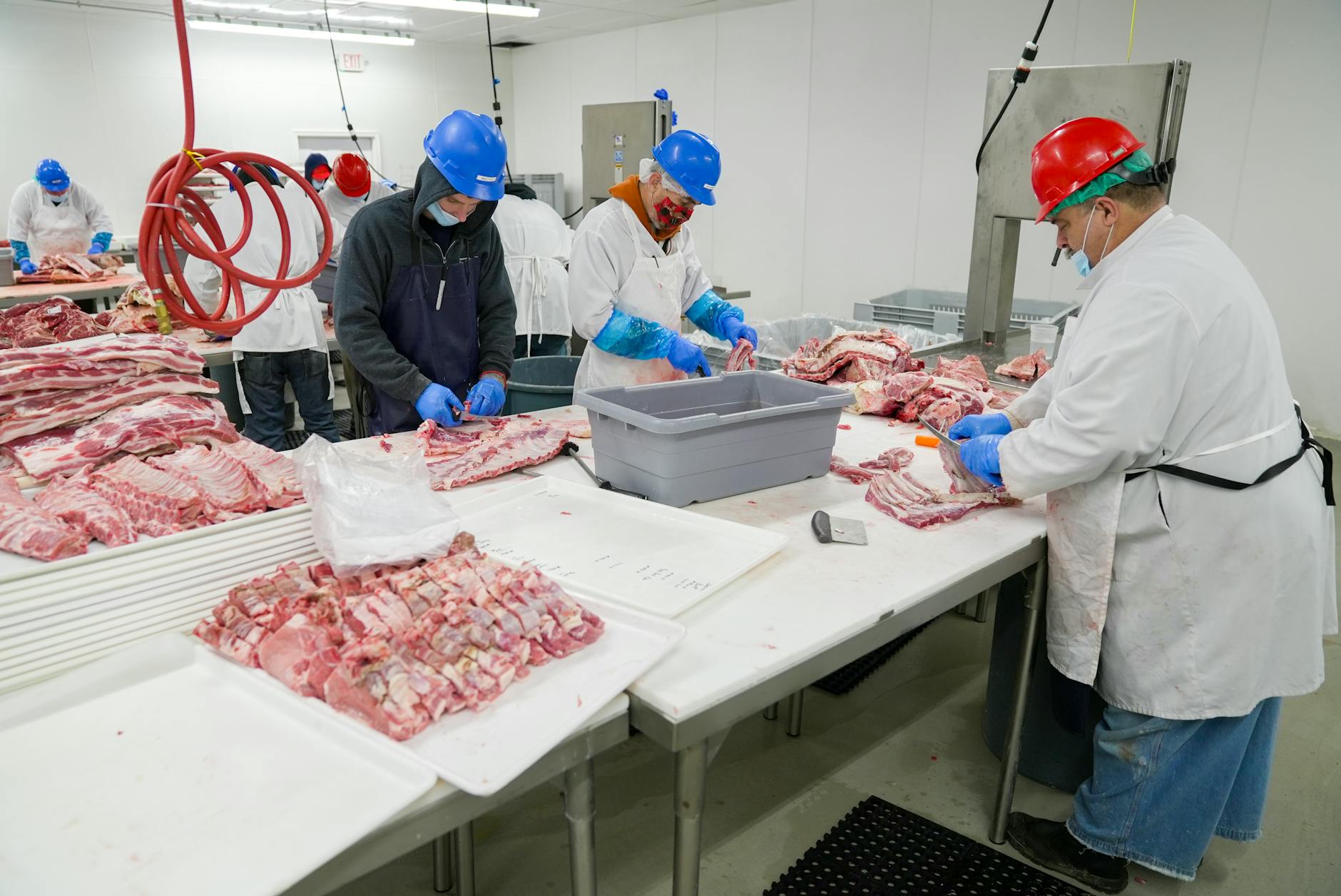
The Hazard Analysis and Critical Control Points (HACCP) system is a systematic approach to identifying and controlling hazards in the food production process. Developed by the Codex Alimentarius Commission, HACCP is widely recognized as the international standard for food safety management. The FDA also requires food businesses to implement HACCP plans as part of their food safety regulations.
What you'll learn
- How this HACCP topic applies in real-world operations
- Common hazards and practical controls to reduce risk
- Records and monitoring that auditors expect to see
Key Components of HACCP
A HACCP plan consists of seven key components: (1) hazard analysis, (2) critical control points (CCPs) identification, (3) establishment of critical limits, (4) monitoring procedures, (5) corrective actions, (6) verification procedures, and (7) record-keeping. Monitoring record templates play a crucial role in the fourth component, monitoring procedures.
Importance of Monitoring Record Templates
Monitoring record templates are essential for ensuring that food businesses are complying with their HACCP plans.
These templates provide a standardized format for recording data on CCPs, allowing food businesses to track and verify that their processes are under control. Effective monitoring record templates should include information such as the date and time of monitoring, the parameter being monitored, the target value, and any corrective actions taken.
Benefits of Using Monitoring Record Templates
The use of monitoring record templates offers several benefits, including:
- Improved compliance with food safety regulations
- Enhanced ability to track and verify CCPs
- Increased efficiency in data collection and analysis
- Reduced risk of foodborne illnesses
- Improved customer trust and confidence
Designing Effective Monitoring Record Templates
When designing monitoring record templates, food businesses should consider the following factors:
- Relevance to the specific CCP being monitored
- Clarity and simplicity of the template
- Ease of use and completion
- Space for recording corrective actions and follow-up activities
- Compliance with relevant food safety regulations and standards
Examples of Monitoring Record Templates
Examples of monitoring record templates include:
- Temperature monitoring logs for refrigerators and freezers
- Sanitation schedules and checklists
- Supplier verification records
- Cooking temperature and time logs
- Cleaning and sanitizing schedules
Conclusion
In conclusion, HACCP monitoring record templates are a critical component of a food safety management system. By understanding the principles of HACCP and implementing effective monitoring record templates, food businesses can ensure compliance with food safety regulations, reduce the risk of foodborne illnesses, and maintain customer trust.
As stated by the Codex Alimentarius Commission, 'the use of HACCP principles is widely recognized as an effective means of controlling foodborne hazards' (Codex, 2020). Food businesses should prioritize the development and implementation of monitoring record templates to ensure the safety and quality of their products.
For practical implementation, review haccp-for-sandwich-shops-eu and haccp-for-hospital-catering-eu before finalizing your HACCP records.

Frequently Asked Questions
What is key components of haccp?
What is importance of monitoring record templates?
What is conclusion?
What is further reading & tools?
Related Articles

Mastering HACCP for Coffee Shops: A Comprehensive Guide to Food Safety

Mastering HACCP for Butcher Shops: A Comprehensive Guide to Raw Meat Safety

Ensuring Food Safety on Wheels: The Essential HACCP Guide for Food Trucks and Mobile Catering
Ready to build your HACCP plan?
Create a compliant, audit-ready HACCP plan for your food business in minutes.
Start Building