The Role of AI in Food Safety Management: Enhancing Quality and Compliance
The integration of Artificial Intelligence (AI) in food safety management is revolutionizing the way food businesses operate, enhancing quality control, and ensuring compliance with regulatory standards. By leveraging AI technologies, food companies can predict and prevent food safety risks, reducing the likelihood of contamination and improving consumer trust.

Introduction to AI in Food Safety
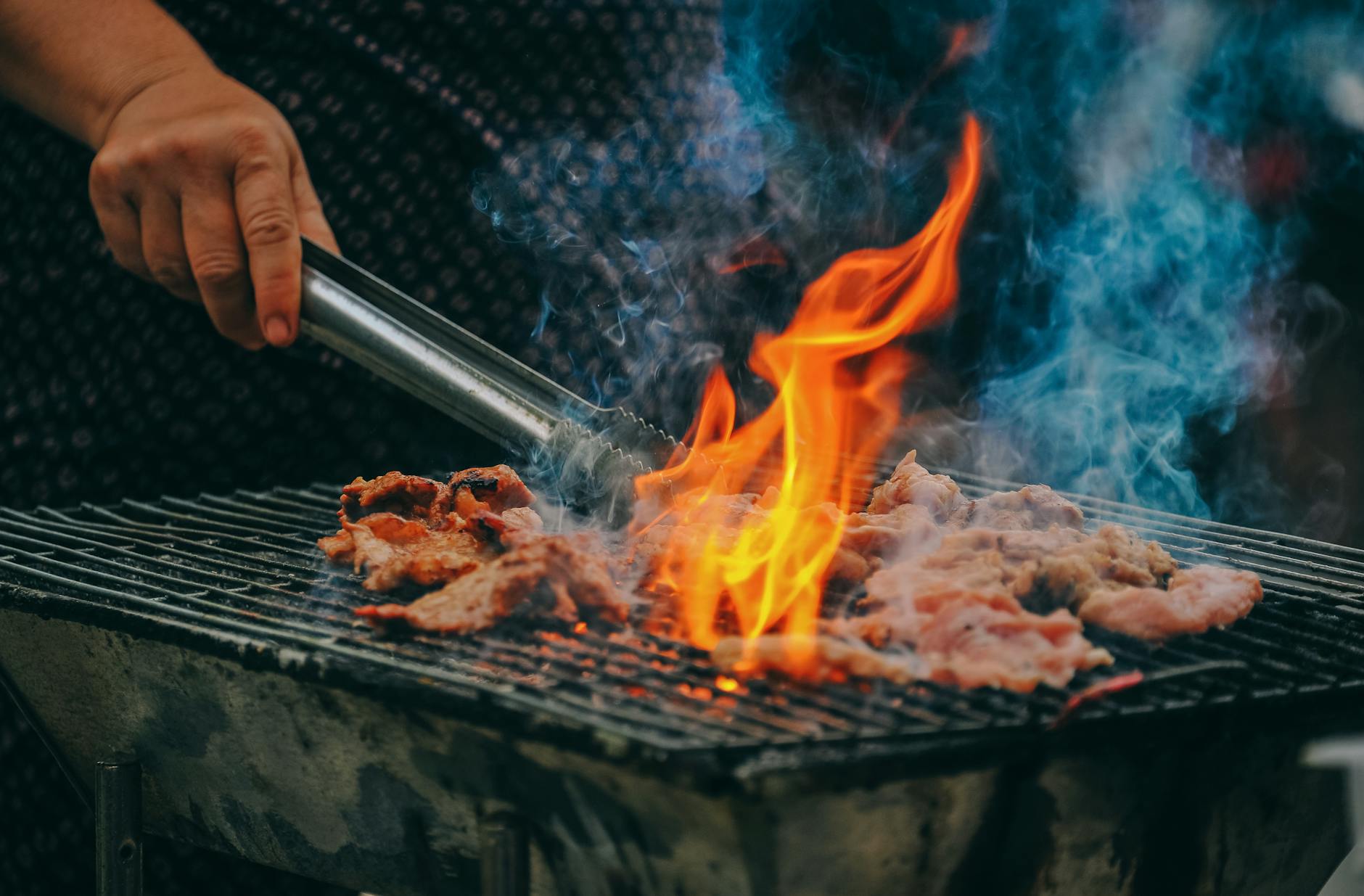
The food industry is one of the most critical sectors that require stringent safety measures to prevent foodborne illnesses. The World Health Organization (WHO) estimates that approximately 600 million people worldwide fall ill after consuming contaminated food each year.
What you'll learn
- How this HACCP topic applies in real-world operations
- Common hazards and practical controls to reduce risk
- Records and monitoring that auditors expect to see
To mitigate these risks, food businesses are turning to Artificial Intelligence (AI) to enhance their food safety management systems. AI technologies, such as machine learning and predictive analytics, can help identify potential hazards, detect anomalies, and optimize quality control processes.
Codex Alimentarius and AI
The Codex Alimentarius Commission, a joint initiative of the WHO and the Food and Agriculture Organization (FAO) of the United Nations, provides a framework for food safety management. The Codex Alimentarius standards emphasize the importance of preventive controls, hazard analysis, and risk-based approaches.
AI can support these principles by analyzing large datasets, recognizing patterns, and predicting potential risks. For instance, AI-powered systems can monitor temperature control, detect deviations, and alert quality managers to take corrective actions, ensuring compliance with Codex guidelines.
Applications of AI in Food Safety Management
-
Predictive Maintenance:
- AI-powered predictive maintenance can help prevent equipment failures, reducing the risk of contamination and ensuring continuous operation.
-
Quality Control:
- AI-driven computer vision can inspect products, detect defects, and identify potential quality issues, enabling real-time interventions.
-
Supply Chain Management:
- AI can analyze supply chain data, identifying potential risks, and optimizing logistics to prevent contamination and ensure compliance.
-
Foodborne Pathogen Detection:
- AI-powered systems can rapidly detect foodborne pathogens, such as Salmonella and E. coli, enabling swift corrective actions.
FDA and AI Regulatory Frameworks
The US Food and Drug Administration (FDA) has acknowledged the potential of AI in food safety management, emphasizing the need for a regulatory framework that supports innovation while ensuring public health protection.
The FDA's New Era of Smarter Food Safety initiative encourages the adoption of AI and other emerging technologies to enhance food safety. However, food businesses must ensure that their AI-powered systems comply with FDA regulations, such as the Food Safety Modernization Act (FSMA), and maintain transparency, explainability, and accountability in their AI decision-making processes.
Best Practices for Implementing AI in Food Safety Management
To effectively integrate AI into food safety management, businesses should follow best practices, such as:
- Conducting thorough risk assessments and gap analyses to identify areas where AI can add value.
- Developing clear AI strategies and roadmaps, aligning with business objectives and regulatory requirements.
- Ensuring data quality, integrity, and security to support AI decision-making.
- Providing training and education to personnel on AI technologies and their applications in food safety management.
- Continuously monitoring and evaluating AI system performance, updating models, and refining processes as needed.
Conclusion
The role of AI in food safety management is rapidly evolving, offering unprecedented opportunities for food businesses to enhance quality, ensure compliance, and protect public health. By embracing AI technologies and following best practices, food companies can stay ahead of the curve, mitigate risks, and build trust with consumers.
As the food industry continues to navigate the complexities of food safety, AI will play an increasingly vital role in shaping the future of food production, processing, and distribution.

Frequently Asked Questions
What is codex alimentarius and ai?
What is fda and ai regulatory frameworks?
What is conclusion?
What is further reading & tools?
Related Articles

Ready to build your HACCP plan?
Create a compliant, audit-ready HACCP plan for your food business in minutes.
Start Building